
Precision-Driven
Anodizing ProcessChromating Process
Anodizing Process
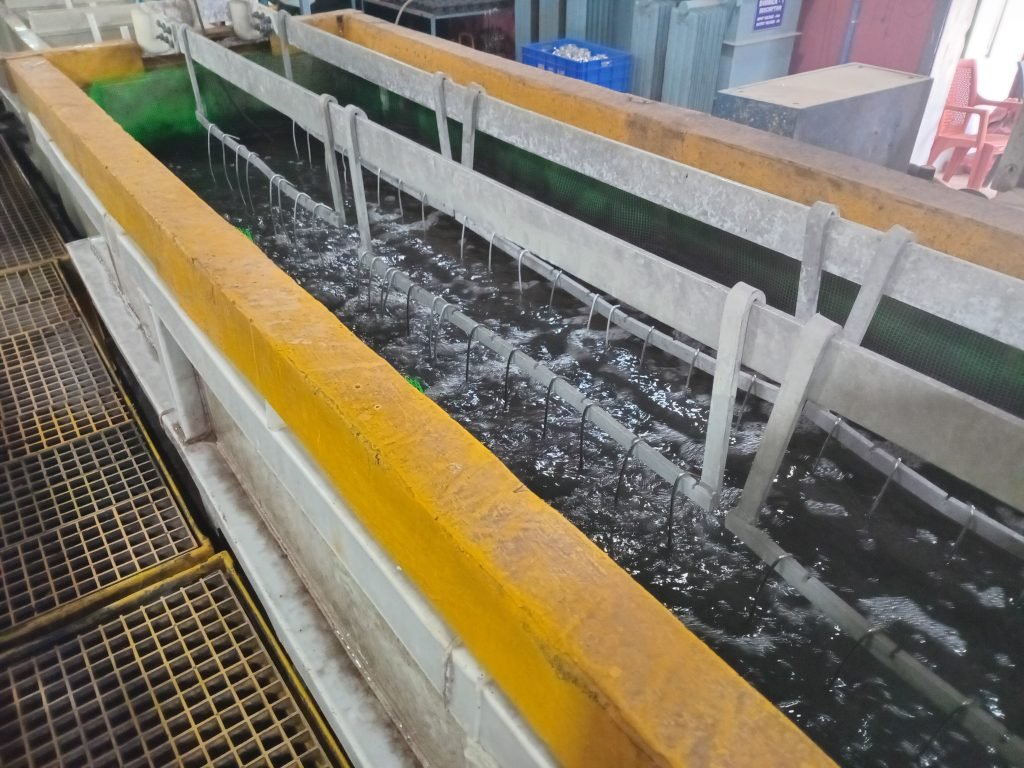
Anodizing is a process by which an anodic oxidation film formed on the surface of the aluminium component. The thickness of the film will vary from to 30 microns based on the product requirement.
Black Anodizing
Customized Colour

BLACK ANODIZING
It is a variation of the standard anodizing process, where special dyes or pigments are added to the anodic layer to produce a wide range of vibrant, durable colours on aluminium components. It ideal for products that require a specific visual identity without compromising on protection

COLOUR ANODIZING
Wide Range of Colour Options to match branding Excellent Corrosion & Wear Resistance Fade Resistance with proper sealing & high-quality dyes Enhanced Appearance for industrial & consumer markets Environmentally Safe and Non-Toxic Coating.
BENEFITS of Anodizing Process
Excellent Corrosion Resistance
Anodizing forms a tough, protective oxide layer on aluminum surfaces, guarding them against rust and chemical exposure.
Electrical Conductivity Retention
Anodizing strengthens the surface of aluminum, making it more resistant to wear, scratches, and aging.
RoHS- and REACH-compliant (EU)
Anodizing is a clean, non-toxic process that supports eco-friendly and sustainable manufacturing.
Enhanced Paint & Coating Adhesion
Anodizing increases the hardness of aluminum surfaces, making them more resistant to wear and damage.
Minimal Dimensional Impact
Anodizing allows for a range of colors and finishes, offering both protection and a premium visual appeal.
Durability & Longevity
Anodizing enhances aluminum’s ability to resist heat and electrical conductivity, providing effective insulation.
Chromating Process
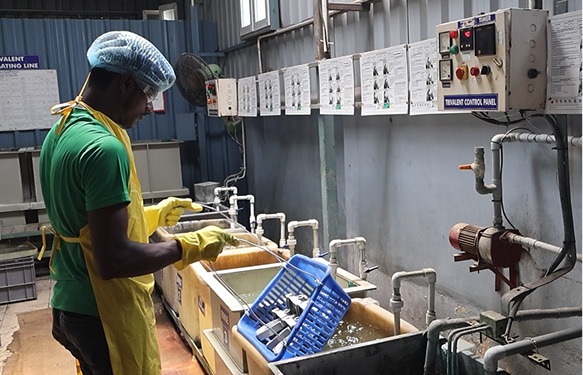
Chromating, also known as chemical conversion coating, is a surface treatment process applied to aluminium components to enhance corrosion resistance and improve paint adhesion. It involves the application of a chromate-based chemical that reacts with the aluminium surface, forming a thin, protective layer.
Long Lasting Durability
Chromating forms a very thin coating (typically under 1 micron), preserving the tight tolerances of machined components—ideal for precision engineering .
Improved Coating Adhesion
Acts as an excellent pre-treatment layer for powder coating, liquid painting, or adhesive bonding, ensuring better grip and long-term performance.
Cost-Effective solution
Compared to other post-machining treatments, chromating is relatively low cost and quick, without compromising performance.
BENEFITS of Chromating parts
Enhanced Corrosion Resistance
Anodizing forms a tough, protective oxide layer on aluminum surfaces, guarding them against rust and chemical exposure.
Long Lasting Durability
Anodizing strengthens the surface of aluminum, making it more resistant to wear, scratches, and aging.
Environment Friendly Process
Anodizing is a clean, non-toxic process that supports eco-friendly and sustainable manufacturing.
Improved Surface Hardness
Anodizing increases the hardness of aluminum surfaces, making them more resistant to wear and damage.
Customizable Aesthetics
Anodizing allows for a range of colors and finishes, offering both protection and a premium visual appeal.
Thermal & Electrical Insulation
Anodizing enhances aluminum’s ability to resist heat and electrical conductivity, providing effective insulation.
Treatment Hub
Anodizing and chromating are precision surface treatments that elevate the performance of aluminum parts. While anodizing creates a durable, wear-resistant oxide layer, chromating adds a protective film that enhances corrosion resistance and prepares the surface for further coating or painting.
Coating Thickness Gauge
Chromating, also known as chemical conversion coating, is a surface treatment process applied to aluminium components to enhance corrosion resistance and improve paint adhesion. It involves the application of a chromate-based chemical that reacts with the aluminium surface, forming a thin, protective layer.
Lab Test & Salt spray Test
At Jai Sai Special Process, our in-house lab ensures precise chemical testing for anodizing and chromating. With Salt Spray Chamber testing, we validate corrosion resistance, guaranteeing high-quality, durable coatings with every batch.
Precision-Driven
Anodizing ProcessChromating Process
Anodizing Process
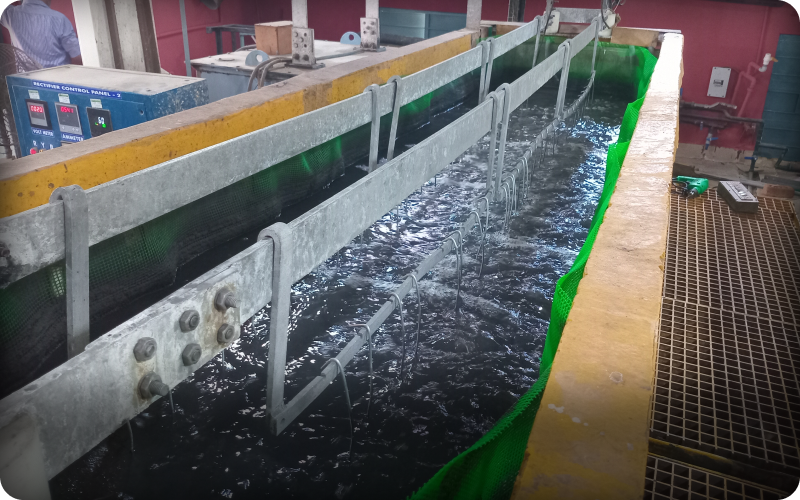
Anodizing is a process by which an anodic oxidation film formed on the surface of the aluminium component. The thickness of the film will vary from to 30 microns based on the product requirement.
Black Anodizing
Customized Colour
BLACK ANODIZING
It is a variation of the standard anodizing process, where special dyes or pigments are added to the anodic layer to produce a wide range of vibrant, durable colours on aluminium components. It ideal for products that require a specific visual identity without compromising on protection
COLOUR ANODIZING
Wide Range of Colour Options to match branding Excellent Corrosion & Wear Resistance Fade Resistance with proper sealing & high-quality dyes Enhanced Appearance for industrial & consumer markets Environmentally Safe and Non-Toxic Coating.
BENEFITS
of Anodizing Process
Excellent Corrosion Resistance
Anodizing forms a tough, protective oxide layer on aluminum surfaces, guarding them against rust and chemical exposure.
Electrical Conductivity Retention
Anodizing strengthens the surface of aluminum, making it more resistant to wear, scratches, and aging.
RoHS- and REACH-compliant (EU)
Anodizing is a clean, non-toxic process that supports eco-friendly and sustainable manufacturing.
Enhanced Paint & Coating Adhesion
Anodizing increases the hardness of aluminum surfaces, making them more resistant to wear and damage.
Minimal Dimensional Impact
Anodizing allows for a range of colors and finishes, offering both protection and a premium visual appeal.
Durability & Longevity
Anodizing enhances aluminum’s ability to resist heat and electrical conductivity, providing effective insulation.
Chromating Process
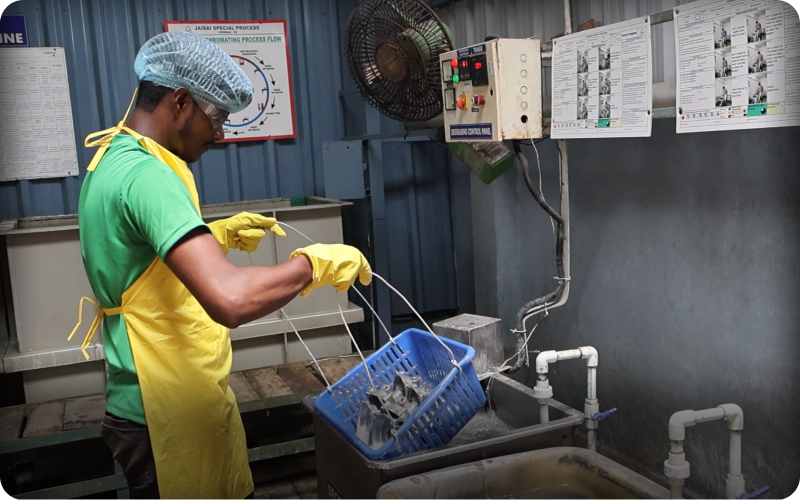
Chromating, also known as chemical conversion coating, is a surface treatment process applied to aluminium components to enhance corrosion resistance and improve paint adhesion. It involves the application of a chromate-based chemical that reacts with the aluminium surface, forming a thin, protective layer.
Long Lasting Durability
Chromating forms a very thin coating (typically under 1 micron), preserving the tight tolerances of machined components—ideal for precision engineering .
Improved Coating Adhesion
Acts as an excellent pre-treatment layer for powder coating, liquid painting, or adhesive bonding, ensuring better grip and long-term performance.
Cost-Effective solution
Compared to other post-machining treatments, chromating is relatively low cost and quick, without compromising performance.
BENEFITS
of Chromating parts
Enhanced Corrosion Resistance
Anodizing forms a tough, protective oxide layer on aluminum surfaces, guarding them against rust and chemical exposure.
Long Lasting Durability
Anodizing strengthens the surface of aluminum, making it more resistant to wear, scratches, and aging.
Environment Friendly Process
Anodizing is a clean, non-toxic process that supports eco-friendly and sustainable manufacturing.
Improved Surface Hardness
Anodizing increases the hardness of aluminum surfaces, making them more resistant to wear and damage.
Customizable Aesthetics
Anodizing allows for a range of colors and finishes, offering both protection and a premium visual appeal.
Thermal & Electrical Insulation
Anodizing enhances aluminum’s ability to resist heat and electrical conductivity, providing effective insulation.
Treatment Hub
Anodizing and chromating are precision surface treatments that elevate the performance of aluminum parts. While anodizing creates a durable, wear-resistant oxide layer, chromating adds a protective film that enhances corrosion resistance and prepares the surface for further coating or painting.
Coating Thickness Gauge
Chromating, also known as chemical conversion coating, is a surface treatment process applied to aluminium components to enhance corrosion resistance and improve paint adhesion. It involves the application of a chromate-based chemical that reacts with the aluminium surface, forming a thin, protective layer.
Lab Test & Salt spray Test
At Jai Sai Special Process, our in-house lab ensures precise chemical testing for anodizing and chromating. With Salt Spray Chamber testing, we validate corrosion resistance, guaranteeing high-quality, durable coatings with every batch.
Precision-Driven
Anodizing ProcessChromating Process
Anodizing Process
Anodizing is a process by which an anodic oxidation film formed on the surface of the aluminium component. The thickness of the film will vary from to 30 microns based on the product requirement.
Black Anodizing
Customized Colour
BLACK ANODIZING
It is a variation of the standard anodizing process, where special dyes or pigments are added to the anodic layer to produce a wide range of vibrant, durable colours on aluminium components. It ideal for products that require a specific visual identity without compromising on protection
COLOUR ANODIZING
Wide Range of Colour Options to match branding Excellent Corrosion & Wear Resistance Fade Resistance with proper sealing & high-quality dyes Enhanced Appearance for industrial & consumer markets Environmentally Safe and Non-Toxic Coating.
BENEFITS
of Anodizing Process
Excellent Corrosion Resistance
Anodizing forms a tough, protective oxide layer on aluminum surfaces, guarding them against rust and chemical exposure.
Electrical Conductivity Retention
Anodizing strengthens the surface of aluminum, making it more resistant to wear, scratches, and aging.
RoHS- and REACH-compliant (EU)
Anodizing is a clean, non-toxic process that supports eco-friendly and sustainable manufacturing.
Enhanced Paint & Coating Adhesion
Anodizing increases the hardness of aluminum surfaces, making them more resistant to wear and damage.
Minimal Dimensional Impact
Anodizing allows for a range of colors and finishes, offering both protection and a premium visual appeal.
Durability & Longevity
Anodizing enhances aluminum’s ability to resist heat and electrical conductivity, providing effective insulation.
Chromating Process
Chromating, also known as chemical conversion coating, is a surface treatment process applied to aluminium components to enhance corrosion resistance and improve paint adhesion. It involves the application of a chromate-based chemical that reacts with the aluminium surface, forming a thin, protective layer.
Long Lasting Durability
Chromating forms a very thin coating (typically under 1 micron), preserving the tight tolerances of machined components—ideal for precision engineering .
Improved Coating Adhesion
Acts as an excellent pre-treatment layer for powder coating, liquid painting, or adhesive bonding, ensuring better grip and long-term performance.
Cost-Effective solution
Compared to other post-machining treatments, chromating is relatively low cost and quick, without compromising performance.
BENEFITS
of Chromating Process
Enhanced Corrosion Resistance
Anodizing forms a tough, protective oxide layer on aluminum surfaces, guarding them against rust and chemical exposure.
Long Lasting Durability
Anodizing strengthens the surface of aluminum, making it more resistant to wear, scratches, and aging.
Environment Friendly Process
Anodizing is a clean, non-toxic process that supports eco-friendly and sustainable manufacturing.
Improved Surface Hardness
Anodizing increases the hardness of aluminum surfaces, making them more resistant to wear and damage.
Customizable Aesthetics
Anodizing allows for a range of colors and finishes, offering both protection and a premium visual appeal.
Thermal & Electrical Insulation
Anodizing enhances aluminum’s ability to resist heat and electrical conductivity, providing effective insulation.